



Dry Cupping in Essex: Advanced Biomechanical Myofascial Decompression
At Acufy, we look beyond standard high-street wellness protocols to deliver advanced dry cupping in Essex tailored to your exact neuro-muscular and musculoskeletal needs. Moving past generic relaxation methods, our specialised clinic integrates clinical myofascial decompression therapy to actively stretch restricted tissues, optimise localised blood flow, and break down the deep structural adhesions that lock up your physical mobility.
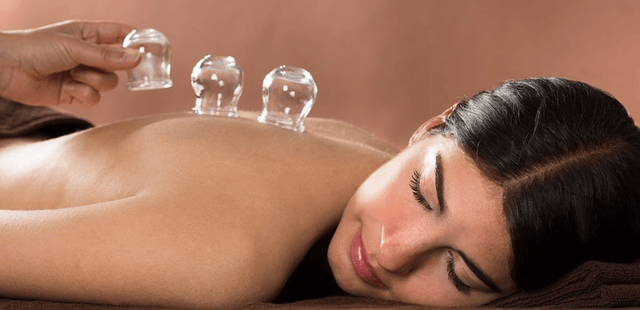
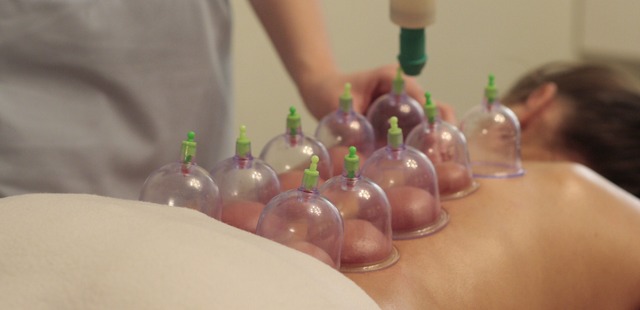
By applying targeted mechanical vacuum suction to the skin surface, this physical treatment generates a powerful negative pressure gradient that lifts cutaneous and subcutaneous layers away from underlying hypertonic muscle groups.
This immediate expansion of the superficial myofascial space floods the area with oxygen-rich arterial blood, flushes away accumulated metabolic waste products, and significantly downregulates inflammatory cytokines.
Whether you are navigating severe musculoskeletal pain, chronic back stiffness, arthritic joint inflammation, or localised sports injuries, our personalised care plans provide long-lasting physiological relief. Each targeted cupping track is systematically structured to dismantle stubborn pain pathways, reduce peripheral vascular resistance, and trigger a powerful parasympathetic state that accelerates your body’s natural cellular recovery.
Clinical Health Benefits of Decompressive Cupping
Our integrated vacuum protocols create profound, cellular-level adjustments that address the underlying pathophysiology of musculoskeletal pain and injury. Sufferers of chronic conditions experience rapid mobility breakthroughs across four distinct biological pathways:
Microvascular Hyperaemia & Circulatory Flushing
The negative pressure gradient expands compressed capillaries, inducing localised hyperaemia that floods ischaemic, nutrient-deprived muscle segments with oxygen-rich arterial blood. This rapid microcirculation speeds up the downregulation of inflammatory cytokines to alleviate chronic back pain, joint stiffness, and cervical strain.
Neurological Pain Gate-Control Activation
By generating a continuous stream of non-painful mechanical sensory input, clinical cupping activates the central nervous system’s gate-control mechanism. This stimulation effectively blocks ascending nociceptive pain signals before they reach the brain stem, providing lasting relief for persistent neuralgic conditions like severe sciatica.
Accelerated Soft-Tissue Injury Recovery
Our targeted back and extremity cupping paths stretch shortened muscle fibres and resolve painful myofascial trigger points. This physical decompression removes micro-vascular restrictions, flushes deep muscle soreness, and speeds up cellular tissue regeneration for sports injuries and structural neck stiffness.
Enhanced Lymphatic Drainage & Waste Clearing
The mechanical suction draws stagnant, deoxygenated blood and cellular metabolic debris out of deep muscular layers up to the superficial dermis. This process stimulates localised macrophage activity, helping the lymphatic system process and eliminate metabolic waste products more efficiently to support systemic vitality.
Conditions Treated with Biomechanical Dry Cupping
Our advanced dry cupping protocols in Essex provide direct, tissue-level adjustments engineered to target the underlying pathophysiology of chronic musculoskeletal, respiratory, and autonomic disorders. By aligning your treatment track with our main clinical condition index, we use precise vacuum decompression to resolve severe physical restrictions and systemic inflammation at the root.
Musculoskeletal Pain & Articular Joint Stagnation
Whether you are navigating chronic low back pain, debilitating neck pain, cervical spondylosis, or severe articular osteoarthritis, vacuum cupping delivers immediate relief. The negative pressure gradient physically stretches the upper trapezius, levator scapulae, and lumbar fascia networks to obliterate painful myofascial trigger points. This decompression reduces chronic physical pressure on adjacent nerves, clears deep muscle stasis, and enhances local vasodilation to safely restore total structural mobility.
Pulmonary Congestion & Respiratory Muscle Restrictions
Chronic respiratory conditions – encompassing bronchial smooth muscle spasms, asthma flares, and chronic bronchitis – respond exceptionally well to thoracic back cupping. Applying targeted slide and retention vacuum cup placement along the upper thoracic back physically moves pulmonary fluid congestion and relaxes restricted intercostal muscles. This respiratory decompression optimises lung microcirculation, lowers mucosal tissue strain, and acts as an effective non-invasive expectorant alongside our botanical therapies.
Sports Injury Rehabilitation & Muscle Stiffness Recovery
For athletic soft-tissue injuries, repetitive strain injuries, and severe post-training fatigue, mechanical decompression functions to radically accelerate the body’s natural recovery timeline. The targeted suction elongates shortened muscle sections, breaks up rigid structural collagen cross-links, and clears metabolic waste build-up from damaged tissue areas. This microvascular flushing eliminates local ischaemia, drastically lowers deep muscle stiffness, and supplies injured muscle segments with the raw cells required for repair.
Sympathetic Nervous System Hyperactivity & Anxiety Tracking
Persistent emotional distress, panic loops, and severe daily anxiety manifest physically as intense muscular guarding, tight posture bracing, and elevated systemic inflammation. Placing specialised vacuum cups along the core bladder meridian paths provides an intensive neurological decompression that calms a hyper-reactive autonomic nervous system. This physical release targets deep somatic trauma held within the muscle matrices, safely lowering systemic cortisol levels and inducing a calm parasympathetic state.
To see how our multi-modality clinic applies advanced vacuum decompression to reverse tissue-level restrictions, discover the full range of chronic musculoskeletal, neurological, respiratory, and dermatological conditions we treat in Essex.

Clinical Dry Cupping: Patient Experience & FAQ
You will experience a unique, firm pulling or structural stretching sensation rather than any sharp or bruising pain. As the negative pressure gently lifts tight tissue layers to decompress hypertonic muscle groups, you may feel an immediate wave of deep, comforting warmth.
This warm sensation indicates that your local microvascular beds are expanding, successfully flushing previously restricted tissues with fresh, oxygenated blood.
Your Comfort is Our Priority: Our council-licensed practitioners carefully monitor and adjust the vacuum suction parameters to match your personal comfort baseline at all times.
The circular discolourations are not bruises caused by physical impact or structural tissue trauma. Instead, they represent a beneficial biological phenomenon known as localised ecchymosis, or microvascular stagnation clearing.
The vacuum suction gently draws stagnant, deoxygenated blood and metabolic waste products out of deep, tight muscle tissues up to the superficial dermal layers. This process activates your body’s localised immune response, triggering macrophages to metabolise the waste and stimulate clean cellular renewal.
Timeline for Fading: Depending on your baseline lymphatic circulation and metabolic speed, these marks typically fade completely within 3 to 7 days.
To get the most out of your treatment at our Great Totham (Maldon) rooms, we recommend the following preparation guidelines:
Clothing: Wear loose-fitting, comfortable clothing. This allows easy access to your back, neck, shoulders, or extremities depending on your target rehabilitation track.
Skin Prep: Avoid applying heavy body lotions, synthetic skin oils, or dense moisturisers on the morning of your appointment. These creams create a slippery barrier that interferes with our medical-grade cups maintaining a secure vacuum seal.
Nutrition: Avoid eating a large, heavy meal for at least one hour before your session. This allows your body to regulate circulatory shifts smoothly during therapy.
Following your treatment, you will likely experience an immediate reduction in muscle stiffness and a profound sense of physical relaxation. To support your recovery, please follow these core guidelines:
Hydrate: Drink plenty of ambient-temperature water to assist your lymphatic system in processing and clearing metabolic waste.
Rest: Allow your body to rest comfortably to maximise the tissue healing process.
Avoid Cold Exposure: For 4 to 6 hours post-treatment, avoid taking cold showers, swimming, or exposing the treated skin to draughty air conditioning to protect your expanded capillary beds.
No. If you are currently prescribed anticoagulant or antiplatelet medications (such as Warfarin, Aspirin, or Clopidogrel), or if you have a diagnosed bleeding disorder like haemophilia, clinical dry cupping is strictly contraindicated.
The Biological Risk: Our advanced vacuum protocols generate an intense negative pressure gradient that deliberately draws blood into superficial dermal layers. Applying cups under these circulatory parameters carries an increased risk of subcutaneous haematomas or extensive skin capillary tearing.
Our Policy: We require a complete disclosure of your medical history and prescription lists during your initial consultation to enforce absolute patient safety at all times.
Ready to decompress restricted fascial layers, flush out chronic muscle stagnation, and clear persistent pain? Schedule Your Advanced Essex Clinical Dry Cupping Session Online Now.
Clinical Evidence: The Science of Myofascial Decompression
Our clinical dry cupping in Essex shifts musculoskeletal rehabilitation past temporary relief measures into the domain of precise biomechanical decompression and microvascular engineering. Extensive physiological research archived by the National Institutes of Health (NIH) confirms that the application of mechanical vacuum suction to the skin surface generates a powerful negative pressure gradient. This negative pressure physically lifts the cutaneous and subcutaneous tissue layers away from the underlying hypertonic muscle groups, immediately expanding the superficial myofascial space1. By stretching the dense facial network, this mechanical decompression breaks up microscopic collagen cross-links and structural adhesions that lock up joint mobility, directly resolving long-term back stiffness and chronic neuromuscular tension2.
For individuals navigating severe musculoskeletal disorders, sports injuries, and localised tissue congestion, this structural decompression triggers a massive microvascular fluid cascade3 4. Peer-reviewed clinical trials published on PubMed demonstrate that manual cup placement induces a profound localised hyperemia5. This rapid dilation of restricted capillaries dramatically accelerates local blood flow6, flushing oxygen-rich arterial blood7 directly into ischaemic, nutrient-deprived muscle segments8. This accelerated microcirculation flushes away accumulated metabolic waste products9, inflammatory cytokines, and cellular debris from damaged sections10, effectively reducing deep tissue soreness11 and safely speeding up soft-tissue injury recovery timelines12.
Furthermore, rigorous systematic reviews archived on PubMed Central (PMC)13 reveal that clinical dry cupping alters neurophysiological pathways via the central nervous system14. By generating a continuous stream of non-painful mechanical sensory input, vacuum therapy activates the body’s natural neurological gate-control mechanism15. This stimulation effectively blocks chronic pain signals travelling along small-diameter nerve fibres before they reach the spinal cord and brain stem16. Simultaneously, the controlled physical micro-trauma created by the suction stimulates specialised heat-shock proteins17 and downregulates hyperactive pain receptors18, initiating a powerful anti-inflammatory response to heal long-term systemic conditions like osteoarthritis19 and fibromyalgia across Essex.
- Al-Bedah AMN, Elsubai IS, Qureshi NA, Aboushanab TS, Ali GIM, El-Olemy AT, Khalil AAH, Khalil MKM, Alqaed MS. The medical perspective of cupping therapy: Effects and mechanisms of action. J Tradit Complement Med. 2018 Apr 30;9(2):90-97. doi: 10.1016/j.jtcme.2018.03.003. PMID: 30963043; PMCID: PMC6435947. (https://pmc.ncbi.nlm.nih.gov/articles/PMC6435947) ↩︎
- Roostayi, Mohammad & Norouzali, Taraneh & Manshadi, Farideh & Abbasi, Mehdi & Akbarzadeh, Alireza. (2016). The Effects of Cupping Therapy on Skin’s Biomechanical Properties in Wistar Rats. Chinese Medicine. 07. 25-30. 10.4236/cm.2016.71004. (https://www.researchgate.net/publication/299406495_The_Effects_of_Cupping_Therapy_on_Skin’s_Biomechanical_Properties_in_Wistar_Rats) ↩︎
- Wang X, Zhang X, Elliott J, Liao F, Tao J, Jan YK. Effect of Pressures and Durations of Cupping Therapy on Skin Blood Flow Responses. Front Bioeng Biotechnol. 2020 Dec 8;8:608509. doi: 10.3389/fbioe.2020.608509. PMID: 33425873; PMCID: PMC7793847. (https://pmc.ncbi.nlm.nih.gov/articles/PMC7793847) ↩︎
- Josiane Claudine Pinto, Dr. Anand Heggannavar. Cupping Therapy In Rehabilitation: A Narrative Review Of Mechanisms Of Action. International Journal of Creative Research Thoughts (IJCRT). 2025 May 5; 13. Pages 110-113. ISSN: 2320-2882. (https://ijcrt.org/papers/IJCRT2505355.pdf) ↩︎
- Wang X, Zhang X, Elliott J, Liao F, Tao J, Jan YK. Effect of Pressures and Durations of Cupping Therapy on Skin Blood Flow Responses. Front Bioeng Biotechnol. 2020 Dec 8;8:608509. doi: 10.3389/fbioe.2020.608509. PMID: 33425873; PMCID: PMC7793847. (https://pmc.ncbi.nlm.nih.gov/articles/PMC7793847/) ↩︎
- Reddog E. Sina; Abdullah A. Bokhari. Cupping Therapy. StatPearls [Internet]. 2026 Jan. (https://www.ncbi.nlm.nih.gov/books/NBK538253) ↩︎
- Tanjung, Qadri & Ishadi, Hendi. (2022). The Medical Perspective of Dry Cupping and Wet Cupping: Effects and mechanisms of action: The Medical Perspective of Dry Cupping and Wet Cupping. Journal of Society Medicine. 1. 31-35. 10.47353/jsocmed.v1i1.6. (https://www.researchgate.net/publication/368759069_The_Medical_Perspective_of_Dry_Cupping_and_Wet_Cupping_Effects_and_mechanisms_of_action_The_Medical_Perspective_of_Dry_Cupping_and_Wet_Cupping) ↩︎
- Ping Zhang, Jing Lv, Cuihong Ge, Bo Yu, Yang Qiu, Aoji Qin, Zhu Ai, Zhehao Wu, Liming Nie, Zhiming Xiang. Quantitative evaluation of microenvironmental changes and efficacy of cupping therapy under different pressures based on photoacoustic imaging. Photoacoustics. Volume 40. 2024. 100661. ISSN 2213-5979. https://doi.org/10.1016/j.pacs.2024.100661.
(https://www.sciencedirect.com/science/article/pii/S2213597924000788) ↩︎ - Al-Bedah AMN, Elsubai IS, Qureshi NA, Aboushanab TS, Ali GIM, El-Olemy AT, Khalil AAH, Khalil MKM, Alqaed MS. The medical perspective of cupping therapy: Effects and mechanisms of action. J Tradit Complement Med. 2018 Apr 30;9(2):90-97. doi: 10.1016/j.jtcme.2018.03.003. PMID: 30963043; PMCID: PMC6435947. (https://pmc.ncbi.nlm.nih.gov/articles/PMC6435947) ↩︎
- Ping Zhang, Jing Lv, Cuihong Ge, Bo Yu, Yang Qiu, Aoji Qin, Zhu Ai, Zhehao Wu, Liming Nie, Zhiming Xiang. Quantitative evaluation of microenvironmental changes and efficacy of cupping therapy under different pressures based on photoacoustic imaging. Photoacoustics. Volume 40. 2024. 100661. ISSN 2213-5979. https://doi.org/10.1016/j.pacs.2024.100661.
(https://www.sciencedirect.com/science/article/pii/S2213597924000788) ↩︎ - Piyush Mehta, Vividha Dhapte. Cupping therapy: A prudent remedy for a plethora of medical ailments. Journal of Traditional and Complementary Medicine. Volume 5, Issue 3. 2015. Pages 127-134. ISSN 2225-4110. https://doi.org/10.1016/j.jtcme.2014.11.036. (https://www.sciencedirect.com/science/article/pii/S2225411014000509) ↩︎
- Evgeni Rozenfeld, Leonid Kalichman. New is the well-forgotten old: The use of dry cupping in musculoskeletal medicine. Journal of Bodywork and Movement Therapies. Volume 20, Issue 1. 2016. Pages 173-178. ISSN 1360-8592. https://doi.org/10.1016/j.jbmt.2015.11.009. (https://www.sciencedirect.com/science/article/pii/S136085921500279X) ↩︎
- Wang L, Cai Z, Li X, Zhu A. Efficacy of cupping therapy on pain outcomes: an evidence-mapping study. Front Neurol. 2023 Oct 26;14:1266712. doi: 10.3389/fneur.2023.1266712. PMID: 37965178; PMCID: PMC10640990. (https://pmc.ncbi.nlm.nih.gov/articles/PMC10640990) ↩︎
- Al-Bedah AMN, Elsubai IS, Qureshi NA, Aboushanab TS, Ali GIM, El-Olemy AT, Khalil AAH, Khalil MKM, Alqaed MS. The medical perspective of cupping therapy: Effects and mechanisms of action. J Tradit Complement Med. 2018 Apr 30;9(2):90-97. doi: 10.1016/j.jtcme.2018.03.003. PMID: 30963043; PMCID: PMC6435947. (https://pmc.ncbi.nlm.nih.gov/articles/PMC6435947) ↩︎
- Reddog E. Sina; Abdullah A. Bokhari. Cupping Therapy. StatPearls [Internet]. 2026 Jan (https://www.ncbi.nlm.nih.gov/books/NBK538253) ↩︎
- Al-Bedah AMN, Elsubai IS, Qureshi NA, Aboushanab TS, Ali GIM, El-Olemy AT, Khalil AAH, Khalil MKM, Alqaed MS. The medical perspective of cupping therapy: Effects and mechanisms of action. J Tradit Complement Med. 2018 Apr 30;9(2):90-97. doi: 10.1016/j.jtcme.2018.03.003. PMID: 30963043; PMCID: PMC6435947. (https://pmc.ncbi.nlm.nih.gov/articles/PMC6435947) ↩︎
- Subadi I, Nugraha B, Laswati H, Josomuljono H. Pain Relief with Wet Cupping Therapy in Rats is Mediated by Heat Shock Protein 70 and ß-Endorphin. Iran J Med Sci. 2017 Jul;42(4):384-391. PMID: 28761205; PMCID: PMC5523046. (https://pmc.ncbi.nlm.nih.gov/articles/PMC5523046) ↩︎
- Lauche R, Spitzer J, Schwahn B, Ostermann T, Bernardy K, Cramer H, Dobos G, Langhorst J. Efficacy of cupping therapy in patients with the fibromyalgia syndrome-a randomised placebo controlled trial. Sci Rep. 2016 Nov 17;6:37316. doi: 10.1038/srep37316. PMID: 27853272; PMCID: PMC5112514. (https://pmc.ncbi.nlm.nih.gov/articles/PMC5112514) ↩︎
- Asma Al-Shidhani, Abdulaziz Al-Mahrezi. The Role of Cupping Therapy in Pain Management: A Literature Review [Internet]. Pain Management – Practices, Novel Therapies and Bioactives. IntechOpen; 2021. https://doi.org/10.5772/intechopen.93851. (https://www.intechopen.com/chapters/73348) ↩︎