At Acufy Clinic, we look beyond standard high-street relaxation measures to deliver advanced clinical foot reflexology in Essex tailored to your exact neuro-muscular and systemic health needs. Moving past generic massage methods, our practice utilises precise pressure point stimulation to target your body’s complex nerve pathways, offering an innovative approach to root-cause illness resolution.
By interacting directly with long-range somato-visceral reflex loops, we use this clinical nerve therapy to calm an overactive autonomic nervous system1 and transition your body into a restorative parasympathetic state. This deep neurological decompression effectively lowers systemic stress, downregulates inflammatory cytokines, and activates your body’s natural cellular recovery mechanisms2.
Whether you are navigating chronic musculoskeletal pain, severe sciatica3, or functional internal issues like IBS and persistent insomnia, our personalised care plans provide long-lasting physiological relief. Each targeted reflexology track is systematically structured to dismantle stubborn pain pathways, optimise peripheral microcirculation, and safely restore your baseline vitality.






Plantar Reflexology: Advanced Somato-Visceral Pressure Point Therapy
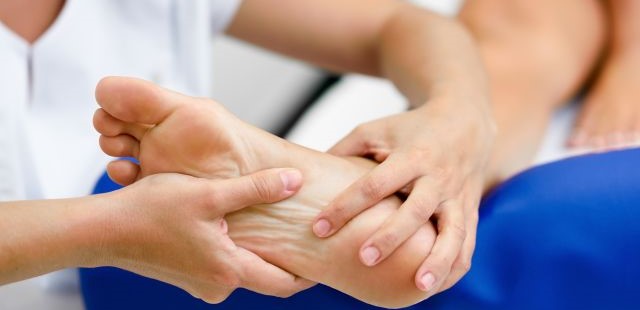
At Acufy Clinic, we utilize clinical foot reflexology in Essex as a specialised, non-invasive therapeutic practice of applying precise mechanical pressure to targeted plantar zones. These highly sensitive reflex fields correspond directly to the primary nerve pathways, internal organ networks, and vascular systems of the human body. Moving past standard pampering, our evidence-based pressure point stimulation acts as a direct catalyst to optimise your deep internal health, calm systemic inflammation, and restore foundational physiological well-being.

Physiological Manifestations & Clinical Health Benefits of Plantar Therapy
Our integrated pressure point protocols deliver profound, tissue-level adjustments that target the root causes of systemic and neurovascular distress. Sufferers of chronic illnesses report rapid structural shifts across four distinct biological pathways:
Systemic Neurovascular Relaxation
Targeted mechanical pressure on the sole downregulates a hyperactive sympathetic nervous system. This therapeutic suppression dramatically reduces generalised anxiety, balances cortisol production, and removes deeply held emotional and muscular tension loops cleanly.
Ascending Pain Pathway Decompression
By generating a continuous stream of non-painful sensory inputs, reflexology activates the body’s natural gate-control mechanism. This stimulation effectively alleviates various types of chronic pain, including severe tension headaches, structural migraines, lumbar back pain, and radiating sciatic nerve inflammation.
Microvascular Fluid and Circulatory Optimisation
Plantar pressure point therapy enhances local axonal and systemic blood flow. This rapid dilation of restricted capillaries significantly optimises the continuous delivery of vital oxygen and metabolic nutrients to oxygen-deprived cells while accelerating the removal of cellular waste products.
Autonomic and Homeostatic Balancing
By balancing neural communications across the brain-gut axis and the adrenal glands, patients leave our Great Totham (Maldon) treatment rooms feeling deeply grounded, biologically rebalanced, and filled with a restored, long-lasting vital life force energy.
Clinical Conditions Treated with Neurovascular Foot Reflexology
Our advanced reflexology protocols in Essex do not simply mask symptoms; they target the underlying neurobiological, endocrine, and somatic circulatory pathways driving chronic illnesses. By cross-referencing your treatment plan with our comprehensive chronic conditions directory, we use targeted pressure point therapy to manage multi-system disorders at the root.
Autonomic Nervous System & Chronic Stress Management
Persistent emotional tension and generalised anxiety trigger a continuous flood of cortisol and catecholamines from the adrenal glands, leading to central nervous system burnout. Our clinical plantar stimulation targets the dense nerve networks of the feet to downregulate a hyperactive sympathetic nervous system. This therapeutic suppression lowers heart rate variability stress indicators, relaxes hypertonic muscles, and interrupts acute panic loops cleanly.
Musculoskeletal Decompression & Pain Management
Whether navigating severe sciatica, chronic back pain, cervical spondylosis, or localised joint arthritis, reflexology serves as an effective somatic nerve therapy. By manually stimulating the thousands of nerve endings in the feet, we promote local axonal blood flow and ease deep muscle stasis. This physical treatment coordinates with body acupuncture to block ascending pain signals along the spinal cord, restoring joint mobility and structural flexibility.
Gastrointestinal Motility & Gut-Brain Axis Repair
Functional digestive tract failures – including Irritable Bowel Syndrome (IBS), chronic constipation, heartburn (GERD), and diarrhea – are heavily accelerated by autonomic nervous system disruptions. Specific reflex zones on the feet connect directly with the enteric nervous system. Applying specialised pressure regulates autonomic nerve communication to the smooth muscles of the gastrointestinal tract, optimising local microcirculation, decreasing gastric lining irritation, and restoring healthy bowel motility.
Neurological Sleep Architecture Optimization
Severe sleep disorders like persistent insomnia, sleep apnea breathing disruptions, and narcolepsy-induced daytime sleepiness are outward signs of overactive brainwave patterns. Our precise micro-system mapping provides an advanced neurological decompression that calms the central nervous system. This process balances melatonin production pathways via the pineal gland reflex, helping patients fall asleep faster and significantly improving deep delta-wave sleep cycles without habit-forming chemical sedatives.
To see how our multi-modality clinic integrates advanced nerve-pathway stimulation with integrated traditional medicine to address your complete health profile, review the full spectrum of chronic musculoskeletal, neurological, internal medicine, and mental health conditions we treat in Essex.

Foot Reflexology: Clinical Practice Parameters & Patient Experience FAQ
You will feel a firm, deeply grounding, and specialised physical pressure rather than a light, ticklish, or superficial rubbing sensation. Our council-licensed practitioners are trained in precise, clinical-grade manual techniques that utilise structural contact angles to interact directly with deep plantar mechanoreceptors. If certain reflex zones map to internal areas experiencing chronic inflammation or stasis, you may feel a brief, localised tenderness. We adapt our touch to your comfort parameters, quickly transitioning your body into a deeply relaxing, non-ticklish, and parasympathetic healing state.
Yes, when performed by an advanced practitioner, it is highly beneficial for circulatory and metabolic support; however, specific safety modifications are strictly enforced. For patients with diabetes or peripheral vascular conditions, we perform a non-invasive visual screening of the skin matrix before applying any manual pressure. We adjust our tactile stimulation to safely optimise local microcirculation and enhance blood flow without putting mechanical stress on fragile capillary beds or sensitive vascular walls. This ensures a safe, non-interfering care track tailored to your exact physical baseline.
We recommend arriving at our Great Totham (Maldon) treatment rooms with clean feet and wearing loose-fitting trousers or comfortable clothing that can easily roll up past your mid-calf area. Avoid applying heavy topical body lotions, cosmetic creams, or synthetic oils to your feet and lower legs on the morning of your session, as these superficial elements can create a slippery barrier that interferes with our precise grip on specific plantar reflex zones. It is also ideal to avoid consuming a heavy, dense meal for at least one hour before your appointment to let your nervous system focus comfortably on internal regulation.
The most common immediate outcome is a profound sense of physical relaxation, mental clarity, and an immediate reduction in systemic muscle stiffness or chronic tension. Because clinical pressure point stimulation actively improves microcirculation and triggers lymphatic drainage to flush out metabolic tissue waste, some patients may experience a mild, temporary healing response, such as slight lethargy, increased urination, or mild thirst. These are positive physiological indicators that your body is rebalancing. They resolve quickly by resting and drinking plenty of room-temperature water.
While clinical foot reflexology is a highly effective and safe non-invasive supportive care option for obstetric comfort throughout the second and third trimesters, our clinic enforces strict safety guidelines during the early weeks of pregnancy. If you are in your first trimester, we carefully adapt our treatment plans to avoid specific neurovascular zones linked to pelvic and uterine contractions. We require you to disclose your pregnancy status through an online intake form and during your initial consultation so our multi-disciplinary specialists can structure a safe, gentle, and fully compliant stress-reduction track.
Ready to calm your overactive nervous system, stabilise your digestive tracks, and clear chronic pain with advanced pressure point therapy? Schedule Your Advanced Essex Clinical Foot Reflexology Session Online Now.
The Science Behind Our Care: Clinical Evidence for Neurovascular Foot Reflexology
Our clinical foot reflexology in Essex shifts alternative health care past superficial comfort measures into the domain of precise neurovascular regulation. Extensive neuroanatomical research archived by the National Institutes of Health (NIH) confirms that the plantar surfaces of the human feet house a dense matrix of over 7,200 high-sensitivity sensory nerve endings. These microscopic neural receptors communicate dynamically with your central nervous system via long-range somato-visceral reflex loops. By applying targeted mechanical pressure to specific micro-system zones, our licensed practitioners generate retrograde neural pathways that signal straight to the brainstem, helping to modulate autonomic tone and accelerate deep cellular recovery.
For individuals navigating severe musculoskeletal disorders, chronic anxiety, and intense stress-induced ailments, this clinical micro-system mapping provides verified physiological relief. Peer-reviewed clinical meta-analyses published on PubMed demonstrate that stimulating precise reflex zones triggers an immediate downregulation of the sympathetic nervous system4. Our therapeutic suppression lowers the overall release of inflammatory cortisol and catecholamines from the adrenal glands, effectively decreasing peripheral vascular resistance, easing arterial tension, and initiating a powerful parasympathetic state to heal long-term systemic inflammation5.
Furthermore, rigorous systematic reviews archived on PubMed Central (PMC) reveal that clinical reflexology actively interacts with the brain-gut axis and internal organ systems. By balancing autonomic nerve communications to the smooth muscles of the gastrointestinal tract, our targeted pressure helps optimise local microcirculation and regulate gastrointestinal motility. This internal balancing effectively resolves chronic digestive tracking failures, reduces gastric lining irritation, and mitigates functional anomalies like IBS or chronic constipation. Additionally, large-scale clinical trials on PMC confirm that this neurological decompression calms overactive brainwave patterns, improving deep delta-wave sleep architecture to provide long-lasting recovery for severe insomnia sufferers across Essex.
- Lu WA, Chen GY, Kuo CD. Foot reflexology can increase vagal modulation, decrease sympathetic modulation, and lower blood pressure in healthy subjects and patients with coronary artery disease. Altern Ther Health Med. 2011 Jul-Aug;17(4):8-14. PMID: 22314629. ↩︎
- Embong NH, Soh YC, Ming LC, Wong TW. Revisiting reflexology: Concept, evidence, current practice, and practitioner training. J Tradit Complement Med. 2015 Sep 28;5(4):197-206. doi: 10.1016/j.jtcme.2015.08.008. PMID: 26587391; PMCID: PMC4624523. ↩︎
- Embong NH, Soh YC, Ming LC, Wong TW. Revisiting reflexology: Concept, evidence, current practice, and practitioner training. J Tradit Complement Med. 2015 Sep 28;5(4):197-206. doi: 10.1016/j.jtcme.2015.08.008. PMID: 26587391; PMCID: PMC4624523. ↩︎
- Lu WA, Chen GY, Kuo CD. Foot reflexology can increase vagal modulation, decrease sympathetic modulation, and lower blood pressure in healthy subjects and patients with coronary artery disease. Altern Ther Health Med. 2011 Jul-Aug;17(4):8-14. PMID: 22314629. ↩︎
- Embong NH, Soh YC, Ming LC, Wong TW. Revisiting reflexology: Concept, evidence, current practice, and practitioner training. J Tradit Complement Med. 2015 Sep 28;5(4):197-206. doi: 10.1016/j.jtcme.2015.08.008. PMID: 26587391; PMCID: PMC4624523. ↩︎