


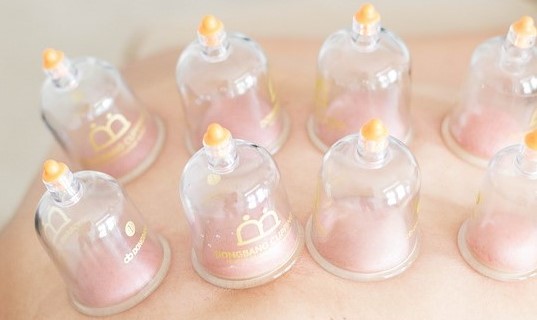
Advanced Clinical Wet Cupping in Essex
At Acufy Clinic, we look beyond standard high-street wellness practices to deliver advanced clinical wet cupping in Essex, precisely tailored to your haematological, cardiovascular, and musculoskeletal needs. Moving past generic suction techniques, our practice combines medical-grade micro-incision capillary therapy with traditional Hijama protocols to clear congested vascular pathways, relieve muscular stasis, and safely eliminate trapped fluids and cellular debris.
Grounding this powerful modality in clinical safety, our treatments are delivered by a practitioner who holds a verified professional certification in the fundamentals of traditional medicine and Hijama from the accredited Zaytun Med Tib Clinic (3-month online programme plus 76 clinical hours). By generating a controlled negative-pressure vacuum gradient across targeted cutaneous zones, the therapy safely lifts tight dermal and fascial layers. This immediate structural expansion permits microscopic, superficial epidermal micro-incisions that stimulate rapid localised improvement, reduce peripheral vascular resistance, and clear internal tissue stagnation.
Whether you are managing chronic high blood pressure, persistent low back stiffness, arthritic joint inflammation, or localised sports injuries, our personalised care plans deliver long-lasting physiological relief. Operating within a strictly regulated, council-licensed clinical environment in Essex, each targeted wet cupping protocol is systematically structured to dismantle pain pathways, optimise systemic blood flow, and trigger a powerful parasympathetic state that accelerates your body’s natural cellular recovery.
Clinical Benefits of Wet Cupping Therapy
Our integrated vacuum and micro-incision protocols deliver profound, tissue-level adjustments that target the underlying pathophysiology of systemic and neurovascular distress. Patients with chronic conditions report rapid structural breakthroughs across four distinct biological pathways:
Systemic Haemodynamic & Blood Pressure Regulation
Our mechanical extraction of congested capillary blood alters the fundamental fluid dynamics of the vascular network. By safely lowering peripheral vascular resistance, we use this as a direct therapeutic catalyst to ease chronic arterial tension, optimise systemic blood flow, and support long-term high blood pressure management.
Microvascular Congestion Clearing & Pain Relief
Our micro-incision capillary therapy physically clears congested tissue beds, drawing stagnant, deoxygenated blood and trapped inflammatory cytokines to the superficial layers for elimination. This intensive mechanical flushing introduces an immediate influx of oxygen-rich arterial blood into hypertonic muscle groups, neutralising myofascial trigger points to relieve severe low back pain, radiating sciatica, and structural neck stiffness.
Immunomodulatory Flushing & Cytokine Downregulation
By creating controlled, superficial micro-trauma on the skin surface we initiate a powerful localized immune cascade. This safe biochemical trigger activates specialized macrophages and leukocytes to metabolise cellular waste products and accelerate the breakdown of inflammatory biomarkers. This process effectively downregulates systemic pro-inflammatory cytokines, delivering long-lasting physical relief for individuals navigating severe chronic fatigue and localized joint inflammation.
Accelerated Lymphatic Drainage & Cellular Waste Clearing
The negative pressure gradient created by our specialised cups rapidly expands the subcutaneous tissue layers and superficial fascial networks. This mechanical lifting accelerates local lymphatic drainage, drawing trapped cellular waste, environmental toxins, and microscopic metabolic debris out of deep muscular structures for efficient excretion. This advanced cellular clearing eliminates tissue hypoxia, flushes persistent post-training muscle soreness, and significantly shortens soft-tissue sports injury recovery timelines.
Read more about the scientific studies backing these benefits below.
Clinical Conditions Treated with Wet Cupping
Our advanced wet cupping protocols provide direct, micro-incision capillary adjustments engineered to target the underlying pathophysiology of chronic cardiovascular, musculoskeletal, metabolic, and inflammatory disorders. By aligning your treatment protocol with our main clinical condition index, we use precise vacuum-assisted haematological extraction to clear deep tissue stasis, reduce fluid resistance, and safely restore homeostatic vitality at the root.
Chronic Hypertension & Systemic Cardiovascular Tension
Persistent high blood pressure is driven by elevated peripheral vascular resistance and microvascular stagnation within peripheral blood vessels. By combining specialised negative pressure with micro-incisions over key vascular paths, clinical wet cupping safely extracts high-viscosity interstitial fluids and congested capillary blood. This mechanical decompression lowers total systemic fluid resistance, immediately easing chronic arterial tension and optimising systemic blood flow to support long-term cardiovascular regulation.
Severe Lumbar Back Stasis & Radiating Sciatic Nerve Inflammation
Chronic low back pain, structural neck stiffness, and radiating sciatic nerve discomfort are frequently caused by deep muscle stasis, tissue ischemia, and the build-up of cellular waste products within the myofascial matrix. Our targeted clinical Hijama protocols physically clear congested capillary beds, drawing stagnant, deoxygenated blood and trapped inflammatory markers to the superficial skin layers for safe elimination. This microcirculation flushing delivers oxygen-rich arterial blood directly to hypertonic muscle groups, neutralising deep trigger points and restoring full skeletal flexibility.
Intracranial Vascular Congestion & Chronic Migraines
Severe tension headaches, chronic migraines, and stress-induced cranial pressure are often physically rooted in upper thoracic and cervical muscle guarding paired with microvascular congestion. Applying targeted capillary extraction over the upper trapezius and suboccipital reflex zones removes systemic blood stasis and eases vascular pressure leading to the head. This neuro-vascular decompression desensitizes overactive nerve receptors, providing deep, long-lasting relief from persistent headache patterns.
Systemic Pro-Inflammatory Strains & Articular Joint Inflammation
Degenerative joint diseases such as osteoarthritis, gouty arthritis, and fibromyalgia are driven by an accumulation of pro-inflammatory cytokines and metabolic crystallisation inside tissue beds. The creation of controlled, superficial micro-trauma triggers a powerful localised immunomodulatory cascade. This safe biochemical signal activates specialised leukocytes and macrophages to metabolise cellular debris and break down inflammatory biomarkers, downregulating whole-body inflammation to protect joint cartilage from progressive decay.
Metabolic Stagnation, Sluggish Lymphatic Drainage & Chronic Fatigue
Profound vitality exhaustion, chronic fatigue syndrome (CFS/ME), and recurrent toxic stagnation are often clinical indicators of an overloaded lymphatic system and tissue hypoxia. The intense negative pressure gradient generated during a clinical wet cupping session rapidly expands the subcutaneous layers and superficial fascial networks. This mechanical lifting accelerates local lymphatic drainage, drawing trapped cellular waste, environmental toxins, and microscopic metabolic debris out of deep muscular structures for efficient excretion. In doing so, it flushes post-training muscle soreness and boosts cellular energy parameters.
See how our multi-modality clinic uses advanced micro-incision capillary therapy to clear systemic tissue stagnation – then explore the full index of chronic musculoskeletal, neurological, internal medicine, and dermatological conditions we treat in Essex.

Wet Cupping: The Process & Aftercare
You will experience a firm pulling or structural stretching sensation from the vacuum suction rather than any sharp or intense pain. Before the microscopic incisions are made, the cup is applied to the skin for a few minutes, which acts as a natural, localised numbing mechanism. The subsequent superficial micro-incisions are extremely tiny, shallow, and quick – frequently described by patients as a minor scratching or light pricking sensation on the skin surface. Our council-licensed practitioners continuously adjust the vacuum parameters to match your personal comfort level at all times.
Our clinic operates to the highest standards of medical hygiene and infection control within a strictly regulated, council-licensed clinical environment. We maintain a rigorous cross-contamination barrier: every cup, micro-incision instrument, and surgical blade used during your session is a medical-grade, 100% sterile, single-use disposable item that is unsealed directly in front of you. After treatment, all bio-fluids and equipment are disposed of through licensed medical clinical waste streams, and all clinical surfaces are thoroughly decontaminated with hospital-grade sterilisers.
Because the micro-incisions made during clinical Hijama are strictly superficial – breaching only the outermost epidermal layer without entering deep dermal tissues – they heal very quickly and do not leave permanent scars. The tiny marks typically seal over within 24 hours of your session. Within 3 to 7 days, the superficial micro-marks fade completely from the skin, depending on your body’s natural cellular renewal rate and individual healing response. We also apply a soothing, natural antiseptic barrier immediately after the session to support seamless tissue repair.
We require patients to fast from solid food for at least 2 to 3 hours before their scheduled wet cupping appointment. Having an empty stomach allows your nervous system to regulate blood pressure and circulatory shifts smoothly, helping to prevent lightheadedness or nausea during the capillary extraction process. Drink plenty of plain, room-temperature water in the hours leading up to your session to stay hydrated. Please arrive at our Maldon treatment rooms wearing loose-fitting, comfortable clothing that can easily expose your back, neck, and shoulders.
The most common immediate effects are a profound sense of physical lightness, a significant reduction in muscle stiffness, and an easing of chronic tension. To protect your healing skin and support the circulatory benefits of the treatment, please avoid showering, swimming, or soaking in water for 24 hours after your session. Rest comfortably for the remainder of the day, eat a light, nourishing meal to restore your energy, and avoid intense cardiovascular exercise, saunas, steam rooms, or exposing the treated skin to draughts or air conditioning for at least 48 hours.
Ready to relieve chronic arterial tension, clear deep microvascular stasis, and flush accumulated cellular waste? Schedule Your Advanced Essex Clinical Wet Cupping Session Online Now.
The Science and Clinical Evidence Behind Wet Cupping
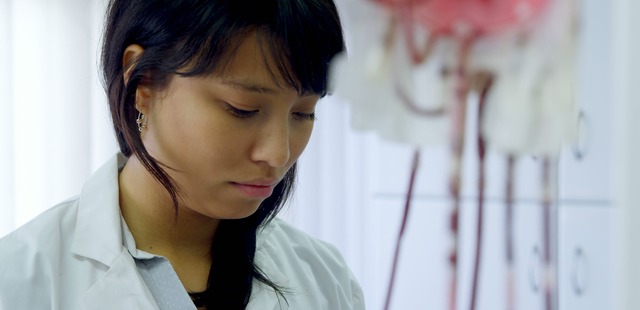
Our clinical wet cupping in Essex shifts musculoskeletal and cardiovascular rehabilitation past temporary relief measures into the domain of precise haematological filtration and microvascular fluid engineering. Application of mechanical vacuum suction to the skin surface generates an intensive negative pressure gradient1. When combined with specialised micro-incisions that breach the superficial epidermal barrier, this vacuum suction ruptures congested dermal capillaries via a controlled pressure differential2. This physical force draws high-viscosity interstitial fluids, stagnant deoxygenated blood, and microscopic cellular debris out of localized tissue circulation3 4, directly clearing vascular blockages to relieve chronic tissue hypoxia and long-term back stiffness5 6 7 8.
For individuals managing severe cardiovascular stress and internal imbalances, this mechanical fluid extraction alters the fundamental haemodynamics of the peripheral vascular network9 10 11. Localised removal of stagnant capillary blood acts as a direct catalyst to lower peripheral vascular resistance within restricted capillary beds12 13. This sudden reduction in peripheral vascular resistance eases chronic arterial tension, balances microvascular fluid pressure, and optimises whole-body oxygen delivery. By restoring healthy haemodynamic flow, this specialised capillary therapy provides an advanced, non-pharmaceutical supportive pathway to manage persistent high blood pressure and systemic vascular tension at the root14 15.
Targeted wet cupping triggers a powerful immunomodulatory cascade and neurophysiological pain suppression loop. The micro-incisions introduce a controlled physical micro-trauma that stimulates massive macrophage cell recruitment and elevates localised leukocyte activity to metabolise cellular waste products16 17 18 19. Serological monitoring proves this process downregulates pro-inflammatory cytokines20 while elevating the synthesis of specialised heat-shock proteins and endogenous β-endorphins21. This biochemical shift blocks ascending nociceptive pain signals travelling along small-diameter nerve fibres before they reach the brain stem22, providing long-lasting systemic anti-inflammatory relief to safely resolve complex conditions like severe migraines23, chronic sciatica24, and joint inflammation25 26 27.
- L.M. Tham, H.P. Lee, C. Lu. Cupping: From a biomechanical perspective. Journal of Biomechanics. Volume 39, Issue 12. 2006. Pages 2183-2193. ISSN 0021-9290. https://doi.org/10.1016/j.jbiomech.2005.06.027. (https://www.sciencedirect.com/science/article/pii/S0021929005003222) ↩︎
- Wang X, Zhang X, Elliott J, Liao F, Tao J, Jan YK. Effect of Pressures and Durations of Cupping Therapy on Skin Blood Flow Responses. Front Bioeng Biotechnol. 2020 Dec 8;8:608509. doi: 10.3389/fbioe.2020.608509. PMID: 33425873; PMCID: PMC7793847. (https://pmc.ncbi.nlm.nih.gov/articles/PMC7793847) ↩︎
- Sina RE, Bokhari AA. Cupping Therapy. [Updated 2023 Oct 30]. In: StatPearls [Internet]. Treasure Island (FL): StatPearls Publishing; 2026 Jan-. (https://www.ncbi.nlm.nih.gov/books/NBK538253) ↩︎
- Al-Bedah AMN, Elsubai IS, Qureshi NA, Aboushanab TS, Ali GIM, El-Olemy AT, Khalil AAH, Khalil MKM, Alqaed MS. The medical perspective of cupping therapy: Effects and mechanisms of action. J Tradit Complement Med. 2018 Apr 30;9(2):90-97. doi: 10.1016/j.jtcme.2018.03.003. PMID: 30963043; PMCID: PMC6435947. (https://pmc.ncbi.nlm.nih.gov/articles/PMC6435947) ↩︎
- Almaiman AA. Proteomic effects of wet cupping (Al-hijamah). Saudi Med J. 2018 Jan;39(1):10-16. doi: 10.15537/smj.2018.1.21212. PMID: 29332103; PMCID: PMC5885108. (https://pmc.ncbi.nlm.nih.gov/articles/PMC5885108) ↩︎
- Al-Bedah AMN, Elsubai IS, Qureshi NA, Aboushanab TS, Ali GIM, El-Olemy AT, Khalil AAH, Khalil MKM, Alqaed MS. The medical perspective of cupping therapy: Effects and mechanisms of action. J Tradit Complement Med. 2018 Apr 30;9(2):90-97. doi: 10.1016/j.jtcme.2018.03.003. PMID: 30963043; PMCID: PMC6435947. (https://pmc.ncbi.nlm.nih.gov/articles/PMC6435947) ↩︎
- El Sayed, Salah. (2013). Medical and Scientific Bases of Wet Cupping Therapy (Al-hijamah): in Light of Modern Medicine and Prophetic Medicine. Alternative & Integrative Medicine. 02. 10.4172/2327-5162.1000122. (https://www.hilarispublisher.com/open-access/medical-and-scientific-bases-of-wet-cupping-therapy-al-hijamah-in-light-of-modern-medicine-and-prophetic-medicine-2327-5162.1000122.pdf) ↩︎
- Tanjung, Qadri & Ishadi, Hendi. (2022). The Medical Perspective of Dry Cupping and Wet Cupping: Effects and mechanisms of action: The Medical Perspective of Dry Cupping and Wet Cupping. Journal of Society Medicine. 1. 31-35. 10.47353/jsocmed.v1i1.6. (https://jsocmed.org/go/article/view/6/859) ↩︎
- Sina RE, Bokhari AA. Cupping Therapy. [Updated 2023 Oct 30]. In: StatPearls [Internet]. Treasure Island (FL): StatPearls Publishing; 2026 Jan-. (https://www.ncbi.nlm.nih.gov/books/NBK538253) ↩︎
- Lee, M. S., Choi, T. Y., Shin, B. C., Kim, J. I., & Nam, S. S. (2010). Cupping for Hypertension: A Systematic Review. Clinical and Experimental Hypertension, 32(7), 423–425. https://doi.org/10.3109/10641961003667955 (https://www.tandfonline.com/doi/full/10.3109/10641961003667955) ↩︎
- Al-Tabakha MM, Sameer FT, Saeed MH, Batran RM, Abouhegazy NT, Farajallah AA. Evaluation of Bloodletting Cupping Therapy in the Management of Hypertension. J Pharm Bioallied Sci. 2018 Jan-Mar;10(1):1-6. doi: 10.4103/jpbs.JPBS_242_17. PMID: 29657501; PMCID: PMC5887646. (https://pmc.ncbi.nlm.nih.gov/articles/PMC5887646) ↩︎
- Al-Bedah AMN, Elsubai IS, Qureshi NA, Aboushanab TS, Ali GIM, El-Olemy AT, Khalil AAH, Khalil MKM, Alqaed MS. The medical perspective of cupping therapy: Effects and mechanisms of action. J Tradit Complement Med. 2018 Apr 30;9(2):90-97. doi: 10.1016/j.jtcme.2018.03.003. PMID: 30963043; PMCID: PMC6435947. (https://pmc.ncbi.nlm.nih.gov/articles/PMC6435947) ↩︎
- Rohayu , S. B. ., Ketut Wahyudi and Sampari Gerbab IHA (2022) “The Effect Of Cupping On Blood Pressure In Hypertension ”, Science Midwifery, 10(4), pp. 3143–3148. doi: 10.35335/midwifery.v10i4.778. (https://midwifery.iocspublisher.org/index.php/midwifery/article/download/778/712) ↩︎
- Aleyeidi NA, Aseri KS, Matbouli SM, Sulaiamani AA, Kobeisy SA. Effects of wet-cupping on blood pressure in hypertensive patients: a randomized controlled trial. J Integr Med. 2015 Nov;13(6):391-9. doi: 10.1016/S2095-4964(15)60197-2. PMID: 26559364. (https://pubmed.ncbi.nlm.nih.gov/26559364) ↩︎
- Desfika S, Ichwan M, Ardinata D. Wet Cupping’s Effect on Nitric Oxide Levels in Hypertensive Patients. Open Access Maced J Med Sci [Internet]. 2022 Jan. 26 [cited 2026 Sep. 7];10(A):214-9. (https://oamjms.eu/index.php/mjms/article/download/8415/6861/73686) ↩︎
- Tariq A, Khizar NA, Nayab M, Ansari AN. Efficacy of Wet Cupping in the Management of Sciatica: A Case Report. J. Drug Delivery Ther. [Internet]. 2024 Dec. 15 [cited 2026 Sep. 7];14(12):1-5. (https://jddtonline.info/index.php/jddt/article/view/6898/6450) ↩︎
- “Impact of Wet Cupping on Hematological and Inflammatory Biomarkers in Men”, JUBPAS, vol. 34, no. 2, pp. 87–97, Jun. 2026, doi: 10.29196/jubpas.v34i2.6604. (https://journalofbabylon.com/index.php/JUBPAS/article/view/6604) ↩︎
- Abdelfattah A, Zureigat A, Almotiri A, Alzughailat M, Al-Khreisat MJ, Abdel Fattah O. The impact of wet cupping on haematological and inflammatory parameters in a sample of Jordanian team players. Heliyon. 2024 Apr 6;10(7):e29330. doi: 10.1016/j.heliyon.2024.e29330. PMID: 38633638; PMCID: PMC11021965. (https://pmc.ncbi.nlm.nih.gov/articles/PMC11021965) ↩︎
- Insun Yu, Junyoung Hur, Junghyo Cho, Horyong Yoo, Jungeun Choi, Miso S. Park. A Review of Wet Cupping’s Effects on Oxidative Stress and Insulin Resistance. The Journal of Korean Medicine. 2025 Jun;46 :206-220. Publication Date (Web): 2025 June 01. doi:https://doi.org/10.130482025.46.206 (https://jkom.org/journal/view.php?number=5281) ↩︎
- AL Jaouni, Soad & Rohaiem, Sawsan & Almuhayawi, Mohammed & Go, Kavitha & Almughales, Jamil & Kholi, Sabria & Al-Raddadi, Rajaa & Bukhari, Musab & Mousa, Shaker. (2023). Wet cupping therapy in the modulation of inflammation in patients with pain. RPS Pharmacy and Pharmacology Reports. 2. 10.1093/rpsppr/rqad004. (https://www.researchgate.net/publication/371808174_Wet_cupping_therapy_in_the_modulation_of_inflammation_in_patients_with_pain) ↩︎
- Subadi I, Nugraha B, Laswati H, Josomuljono H. Pain Relief with Wet Cupping Therapy in Rats is Mediated by Heat Shock Protein 70 and ß-Endorphin. Iran J Med Sci. 2017 Jul;42(4):384-391. PMID: 28761205; PMCID: PMC5523046. (https://pmc.ncbi.nlm.nih.gov/articles/PMC5523046) ↩︎
- Al-Bedah AMN, Elsubai IS, Qureshi NA, Aboushanab TS, Ali GIM, El-Olemy AT, Khalil AAH, Khalil MKM, Alqaed MS. The medical perspective of cupping therapy: Effects and mechanisms of action. J Tradit Complement Med. 2018 Apr 30;9(2):90-97. doi: 10.1016/j.jtcme.2018.03.003. PMID: 30963043; PMCID: PMC6435947. (https://pmc.ncbi.nlm.nih.gov/articles/PMC6435947) ↩︎
- Abdulah DM, Younis HA, Mustafa ZR. Role of wet-cupping therapy in physiological and mental pains in patients with migraine: A quasi-clinical trial. Medicine (Baltimore). 2024 Feb 2;103(5):e37055. doi: 10.1097/MD.0000000000037055. PMID: 38306572; PMCID: PMC10843449. (https://pmc.ncbi.nlm.nih.gov/articles/PMC10843449) ↩︎
- Tariq A, Khizar NA, Nayab M, Ansari AN,Efficacy of Wet Cupping in the Management of Sciatica: A Case Report, Journal of Drug Delivery and Therapeutics. 2024; 14(12):1-5 DOI: http://dx.doi.org/10.22270/jddt.v14i12.6898 (https://jddtonline.info/index.php/jddt/article/view/6898/6450) ↩︎
- Hasbani GE, Jawad A, Uthman I. Cupping (Hijama) in Rheumatic Diseases: The Evidence. Mediterr J Rheumatol. 2021 Dec 27;32(4):316-323. doi: 10.31138/mjr.32.4.316. PMID: 35128323; PMCID: PMC8802202. (https://pmc.ncbi.nlm.nih.gov/articles/PMC8802202) ↩︎
- Khan AA, Jahangir U, Urooj S. Management of knee osteoarthritis with cupping therapy. J Adv Pharm Technol Res. 2013 Oct;4(4):217-23. doi: 10.4103/2231-4040.121417. PMID: 24350053; PMCID: PMC3853699. (https://pmc.ncbi.nlm.nih.gov/articles/PMC3853699) ↩︎
- Soad K Al Jaouni, Sawsan M Rohaiem, Mohammed S Almuhayawi, Kavitha Godugu, Jamil Almughales, Sabria M Kholi, Rajaa Al-Raddadi, Musab Bukhari, Shaker A Mousa, Wet cupping therapy in the modulation of inflammation in patients with pain, RPS Pharmacy and Pharmacology Reports, Volume 2, Issue 2, April 2023, rqad004, https://doi.org/10.1093/rpsppr/rqad004 (https://academic.oup.com/rpsppr/article/2/2/rqad004/7045985) ↩︎