At Acufy Clinic, we look beyond standard high-street wellness protocols to deliver advanced clinical moxibustion in Essex, tailored to your exact neuro-muscular, metabolic, and internal health needs. Moving past generic thermal applications, our specialised practice integrates traditional moxa heat therapy with clinical acupuncture. This targeted approach actively decompresses restricted joints, optimises deep vascular circulation, and corrects chronic patterns of systemic disharmony.
By generating an intensive localised thermal gradient, this non-invasive therapy delivers deep-tissue infrared wave spectrums that penetrate far into subcutaneous layers. This advanced thermal stimulation works dynamically to:
- Induce localised vasodilation to flood the area with fresh oxygen and nutrients.
- Downregulate pro-inflammatory cytokines to actively reduce chronic swelling and pain.
- Stimulate specialised heat-shock proteins that protect and repair cellular tissue.
- Transition your autonomic nervous system into a deeply restorative parasympathetic state.
Whether you are navigating chronic osteoarthritis joint pain, low back stiffness, severe chronic fatigue, or complex digestive tract dysfunctions, our personalised moxibustion care plans in Essex provide long-lasting physiological relief. In obstetric care, this safe, non-invasive method optimises uterine microcirculation and smooth muscle parameters to support natural pelvic homeostasis. This unique thermal stimulation is frequently utilised during pregnancy to help encourage optimal pelvic alignment and support the natural turning of a breech baby.





Thermal Acupuncture in Essex: Cutaneous Microvascular Stimulation
At Acufy Clinic, we deliver clinical moxibustion in Essex as an expert thermal acupuncture intervention that utilises the controlled combustion of compressed moxa (Artemisia vulgaris) over specific cutaneous pathways. Generating an intensive localised thermal gradient between 45°C and 60°C (113°F to 140°F), this clinical modality emits deep infrared wave spectrums that penetrate subcutaneous tissue layers. Moving past generic relaxation, our evidence-based thermal stimulation expands the capillary bed, optimises local microcirculation, and alters deep cellular bioenergetics at the root.
Clinical Moxibustion Benefits: Physiological Realignment
Our integrated thermal protocols using moxibustion in our Essex Clinic induce targeted cellular-level responses that help manage the underlying discomfort of chronic joint degeneration, support immune system regulation, and address internal imbalances. Patients experience measurable systemic changes across four distinct biological pathways:
Articular Decompression & Joint Pain Downregulation
The localised thermal gradient triggers deep microvascular vasodilation, flushing oxygen-rich blood into ischemic joint capsules. This biochemical cascade downregulates pro-inflammatory cytokines, stimulates specialised heat-shock proteins, optimises the delivery of blood-borne nutrients to tissues, and desensitises hyperactive nociceptive nerve receptors to help alleviate chronic osteoarthritis pain and low back stiffness.
Cellular Bioenergetics & Immune System Optimisation
Targeted moxa heat application acts as a powerful catalyst to support mitochondrial adenosine triphosphate (ATP) pathways and immunomodulation. By promoting cellular energy dynamics and stimulating leukocyte activity, our clinical protocols help manage the debilitating effects of chronic fatigue, support your natural immune defences, and significantly reduce long-term systemic cold intolerance.
Gastrointestinal Motility & Enteric System Regulation
Applying specialised thermal waves to precise abdominal zones alters autonomic nerve communications serving the smooth muscles of the digestive tract. This deep internal balancing optimises local microcirculation, calms enteric lining irritation, and supports gastrointestinal motility to help manage the chronic symptoms associated with sluggish indigestion, IBS, and digestive discomfort.
Pelvic Vascularisation & Gynaecological Homeostasis
By directing thermal energy over specific pelvic pathways, this protocol enhances arterial blood flow to the reproductive organs, alleviating deep tissue congestion and smooth muscle spasms. This advanced stimulation modulates neuro-endocrine pathways to support healthy gynaecological function and encourage uterine vascular efficiency. In obstetric care, this natural homeostasis provides time-tested support to help encourage natural fetal turning during pregnancy.
Clinical Conditions Treated with Thermal Moxibustion
Our advanced moxibustion protocols provide thermal stimulation engineered to support the management of chronic musculoskeletal discomfort, internal health imbalances, and reproductive well-being. By aligning your treatment track with our clinical care index, we utilise infrared thermal wave stimulation to address systemic cold patterns and help alleviate chronic localised inflammation.
Chronic Joint Degeneration & Inflammatory Musculoskeletal Pain
Whether you are navigating advanced osteoarthritis, chronic low back pain, or structural tension headaches, targeted thermal moxa application delivers physiological relief. Deep infrared wave spectrums (45°C to 60°C) expand the capillary bed and downregulate pro-inflammatory cytokines inside the joint capsules. This microvascular flushing floods ischemic tissues with oxygen-rich blood, blocks ascending nociceptive nerve paths, and defuses chronic stiffness to help restore optimal, fluid joint mobility.
Gastrointestinal Failures & Enteric System Malfunctions
Functional digestive tracking issues – encompassing chronic indigestion, malabsorption, persistent diarrhoea, and spastic constipation – are heavily driven by localised metabolic cold stagnation. Applying specialised thermal waves to abdominal dermatomes modulates autonomic nerve signalling directly serving the enteric smooth muscles of the digestive tract. This advanced bio-thermal balancing optimises microvascular perfusion, calms enteric lining hyper-sensitivity, and dynamically regulates gastrointestinal motility to restore optimal digestive mechanics.
Gynaecological Homeostasis & Reproductive Axis Obstetric Support
Chronic pelvic pain, debilitating menstrual cramps (dysmenorrhoea), and complex fertility issues are frequently underpinned by microvascular blood stasis and localised thermal deceleration. Our targeted gynaecological protocols drive arterial perfusion the pelvic cavity, easing smooth muscle spasms and modulating the neuro-endocrine axis. In obstetric care, this thermal stimulation optimises uterine microcirculation and smooth muscle tone, creating the ideal physiological environment to help encourage the natural correction of non-cephalic (breech) fetal presentations.
Pulmonary Muscle Spasms & Mucosal Respiratory Illnesses
Chronic respiratory restrictions, bronchial smooth muscle spasms, and persistent airway congestion respond to targeted upper back thermal therapy. Moxa heat application over thoracic dermatomes drives vascular perfusion to clear stagnant fluids and modulate pulmonary mucosal responses. This advanced bio-thermal stimulation pacifies irritated bronchial tissues and relaxes restricted respiratory musculature to optimise lung volume capacity and airway compliance.
Mitochondrial Energy Depletion & Systemic Immune Deficiencies
Profound vitality exhaustion, persistent metabolic fatigue, and vulnerability to recurrent seasonal infections are key clinical indicators of compromised mitochondrial adenosine triphosphate (ATP) pathways. Applying targeted clinical moxibustion over specific lumbar and sacral dermatomes stimulates local microvascular perfusion to support cellular energy pathways and encourage leukocyte activity. This comprehensive immunomodulation reduces systemic cold intolerance, downregulates stress-induced fatigue, and reinforces long-term physiological resistance.
To see how our clinic utilises precise thermal acupuncture waves to clear systemic cold patterns, explore the comprehensive index of chronic musculoskeletal, metabolic, respiratory, and gynaecological conditions we treat in Essex.

Moxibustion in Essex: Patient Journey & Safety Protocols
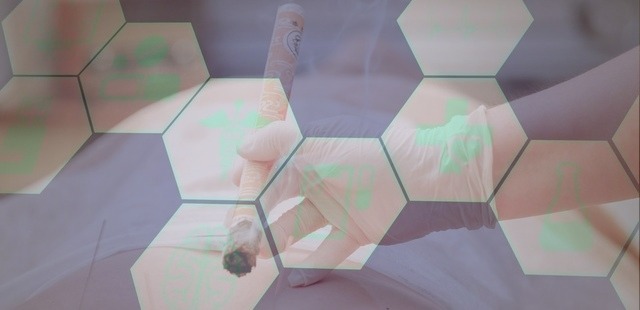
During a professional session, you will experience a deeply soothing, penetrating, and localised radiating warmth rather than any sharp or painful heat. Our council-licensed practitioners primarily utilise indirect moxibustion techniques – such as hovering premium moxa rolls safely over precise cutaneous zones or anchoring them to protective acupuncture needle handles. The burning herb never makes direct contact with your skin matrix, and we continuously monitor your tissue temperature parameters to completely eliminate any risk of blistering or structural epidermal burns.
No. Sufferers of sensitive respiratory illnesses like chronic asthma or bronchitis can breathe easily in our space. For the comfort of our patients with extreme environmental smoke sensitivities or specific aroma restrictions, we only use premium, clinical-grade smokeless moxa blocks that deliver identical deep-tissue infrared wave spectrums with zero respiratory output.
We recommend arriving at our clinic wearing loose-fitting, comfortable clothing that can easily roll up to expose your lower back, abdomen, or lower extremities, depending on your custom care track. Avoid applying heavy body lotions, synthetic oils, or strong artificial fragrances to your skin on the morning of your treatment, as these topical barriers can interfere with cutaneous thermal absorbency. Additionally, it is clinically ideal to consume a light meal or snack one to two hours before your appointment window to stabilise your baseline blood sugar and autonomic system responses.
The most common immediate effect is a profound sensation of physical relaxation, localised tissue warming, and a noticeable reduction in joint stiffness. Because moxibustion actively clears deep metabolic waste and accelerates blood flow, you should rest comfortably and drink plenty of ambient-temperature water for the remainder of the day to support lymphatic drainage. To preserve the deep infrared thermal absorption inside your muscles, avoid taking cold showers, exposing your body to drafty air conditioning, or swimming in unheated water for at least four to six hours following your session.
Yes. Because moxibustion is a non-invasive, non-pharmaceutical external thermal therapy, it does not cause biochemical interference with standard internal prescription medications. It serves as an excellent complementary treatment track to safely manage chronic pain alongside conventional anti-inflammatories, or as supportive care to reduce the side effects of active chemotherapy. However, we strictly require you to disclose your full medical history, present symptoms, and active medication list during your initial 60-to-90-minute consultation so we can adapt your treatment safely to your exact physiological parameters.
Ready to experience the deeply restorative, systemic warming of expert thermal acupuncture support? Schedule Your Advanced Essex Clinical Moxibustion Session Online Now.
Clinical Evidence for Thermal Moxibustion & Vascular Physiology
Our clinical moxibustion in Essex shifts traditional thermal therapies past basic surface warming into the domain of precise microvascular engineering and cellular bioenergetics. Extensive physiological research archived by the National Institutes of Health (NIH) confirms that the controlled combustion of compressed moxa (Artemisia vulgaris) over specific cutaneous pathways1 generates an intensive localised thermal gradient2. This thermal stimulation delivers deep-tissue infrared waves3 ranging from 45°C to 60°C (113°F to 140°F) that penetrate far into the subcutaneous layers. This thermal energy induces immediate localised vasodilation, radically optimising microcirculation4 and expanding the capillary beds5 6 7 8 to flush oxygen-rich blood directly into ischemic, nutrient-deprived tissue segments9 10.
For individuals navigating severe musculoskeletal disorders, chronic low back pain, and degenerative conditions like osteoarthritis, this microvascular expansion11 triggers a powerful anti-inflammatory response12 13. Peer-reviewed clinical trials published on PubMed demonstrate that the deep infrared wave spectrum emitted during clinical moxibustion14 15 16 downregulates pro-inflammatory cytokines17 18 while elevating the synthesis of specialised heat-shock proteins (HSPs)19 20 21. This biochemical shift significantly protects articular joint cartilage from progressive degradation, relieves deep-seated tissue congestion22 23, delivers bone-essential minerals straight to joint capsules24 25, and rapidly desensitises hyperactive nociceptive pain receptors to restore long-term mobility26 27 28.
Furthermore, rigorous systematic reviews archived on PubMed Central (PMC) reveal that targeted moxibustion acts as an effective catalyst for mitochondrial adenosine triphosphate (ATP) production and immune system modulation29. By stimulating precise neurovascular zones, moxibustion recharges cellular energy pathways to counteract severe chronic fatigue syndrome (CFS/ME) and systemic cold intolerance30 31 32. In obstetric care, clinical data shows that moxibustion applied to specific acupoints safely balances uterine microcirculation33 34 35 and smooth muscle contractions36 37 38. This thermal mechanism is widely recognised as a non-invasive, evidence-based method to optimise pelvic parameters and encourage the natural correction of non-cephalic (breech) baby positions during pregnancy across Essex39 40 41.
- Deng H, Shen X. The mechanism of moxibustion: ancient theory and modern research. Evid Based Complement Alternat Med. 2013;2013:379291. doi: 10.1155/2013/379291. Epub 2013 Sep 12. PMID: 24159344; PMCID: PMC3789413. (https://pmc.ncbi.nlm.nih.gov/articles/PMC3789413) ↩︎
- Solovchuk M, Deng HA, Sheu TWH. Experimental and Numerical Study on the Temperature Elevation in Tissue during Moxibustion Therapy. Evid Based Complement Alternat Med. 2020 Feb 27;2020:7514302. doi: 10.1155/2020/7514302. PMID: 32190089; PMCID: PMC7071799. (https://pmc.ncbi.nlm.nih.gov/articles/PMC7071799) ↩︎
- Song XJ, Wang SY, Li YL, Zhang D. Analysis of the Spectral Characteristics of Pure Moxa Stick Burning by Hyperspectral Imaging and Fourier Transform Infrared Spectroscopy. Evid Based Complement Alternat Med. 2016;2016:1057878. doi: 10.1155/2016/1057878. Epub 2016 Sep 19. PMID: 27721889; PMCID: PMC5045997. (https://pmc.ncbi.nlm.nih.gov/articles/PMC5045997) ↩︎
- Xu SL, Zhang HR, Gu YH. Progress of Research on Mechanisms of Moxibustion Intervention Underlying Improvement of Blood Circulation. Zhen Ci Yan Jiu. 2018 Nov 25;43(11):738-43. Chinese. doi: 10.13702/j.1000-0607.170309. PMID: 30585474. (https://pubmed.ncbi.nlm.nih.gov/30585474) ↩︎
- Kim JI, Choi JY, Lee H, Lee MS, Ernst E. Moxibustion for hypertension: a systematic review. BMC Cardiovasc Disord. 2010 Jul 5;10:33. doi: 10.1186/1471-2261-10-33. PMID: 20602794; PMCID: PMC2912786. (https://pmc.ncbi.nlm.nih.gov/articles/PMC2912786) ↩︎
- Xu SL, Zhang HR, Gu YH. [Progress of Research on Mechanisms of Moxibustion Intervention Underlying Improvement of Blood Circulation]. Zhen Ci Yan Jiu. 2018 Nov 25;43(11):738-43. Chinese. doi: 10.13702/j.1000-0607.170309. PMID: 30585474. (https://pubmed.ncbi.nlm.nih.gov/30585474) ↩︎
- Okazaki M, Aizawa S, Yamauchi M, Oguchi K. Effects of single moxibustion on cutaneous blood vessel and microvascular permeability in mice. Am J Chin Med. 1990;18(3-4):121-30. doi: 10.1142/S0192415X90000162. PMID: 2270846. (https://pubmed.ncbi.nlm.nih.gov/2270846) ↩︎
- Li X, Guo S, Chen Z, Ren K, Zhang H, Yu S, Yang S. Regulation of Mild Moxibustion on Uterine Vascular and Prostaglandin Contents in Primary Dysmenorrhea Rat Model. Evid Based Complement Alternat Med. 2021 Jul 10;2021:9949642. doi: 10.1155/2021/9949642. PMID: 34335847; PMCID: PMC8286201. (https://pmc.ncbi.nlm.nih.gov/articles/PMC8286201) ↩︎
- Zhou C, Xu S, He Q, Liang S, Xia X, Chen X, Zuo Y, Chen S, Gu Y, Zhang H. Exploring the effects of moxibustion on pathological remodeling in rats with myocardial ischemia-reperfusion injury based on mitochondrial cardiolipin protection. Front Pharmacol. 2026 Jul 7;17:1864586. doi: 10.3389/fphar.2026.1864586. PMID: 42482781; PMCID: PMC13385720. (https://pubmed.ncbi.nlm.nih.gov/42482781) ↩︎
- Song XJ, Wang SY, Li YL, Zhang D. Analysis of the Spectral Characteristics of Pure Moxa Stick Burning by Hyperspectral Imaging and Fourier Transform Infrared Spectroscopy. Evid Based Complement Alternat Med. 2016;2016:1057878. doi: 10.1155/2016/1057878. Epub 2016 Sep 19. PMID: 27721889; PMCID: PMC5045997. (https://pmc.ncbi.nlm.nih.gov/articles/PMC5045997) ↩︎
- Deng H, Shen X. The mechanism of moxibustion: ancient theory and modern research. Evid Based Complement Alternat Med. 2013;2013:379291. doi: 10.1155/2013/379291. Epub 2013 Sep 12. PMID: 24159344; PMCID: PMC3789413. (https://pmc.ncbi.nlm.nih.gov/articles/PMC3789413) ↩︎
- Deng H, Shen X. The mechanism of moxibustion: ancient theory and modern research. Evid Based Complement Alternat Med. 2013;2013:379291. doi: 10.1155/2013/379291. Epub 2013 Sep 12. PMID: 24159344; PMCID: PMC3789413. (https://pmc.ncbi.nlm.nih.gov/articles/PMC3789413) ↩︎
- Zhao Z, Li J, Wen J, He Y, Sun Z. Effect of Moxibustion on Inflammatory Cytokines for Low Back Pain: A Systematic Review, Meta-Analysis and Meta-Regression. Ther Clin Risk Manag. 2023;19:811-827
https://doi.org/10.2147/TCRM.S429469 (https://www.dovepress.com/effect-of-moxibustion-on-inflammatory-cytokines-for-low-back-pain-a-sy-peer-reviewed-fulltext-article-TCRM) ↩︎ - Wyesen KWAN, Hai-xin YAN, Zun-yuan LI, Qing-ru HU, Zhi-dan LIU. Moxibustion therapy for rheumatoid arthritis: A narrative review: 艾灸治疗类风湿性关节炎:叙述性综述. World Journal of Acupuncture – Moxibustion. Volume 36, Issue 2. 2026. Pages 99-108. ISSN 1003-5257. https://doi.org/10.1016/j.wjam.2026.03.008. (https://www.sciencedirect.com/science/article/pii/S1003525726000267) ↩︎
- Deng HongYong,Deng HongYong and Shen XueYong,Shen XueYong, 20143059762, English, Journal article, USA, 1741-4288 1741-427X, 2013, New York, Evidence-based Complementary and Alternative Medicine, (Article ID 379291), Hindawi Publishing Corporation, The mechanism of moxibustion: ancient theory and modern research., (2013) (https://www.cabidigitallibrary.org/doi/full/10.5555/20143059762) ↩︎
- Chiu JH. How does moxibustion possibly work? Evid Based Complement Alternat Med. 2013;2013:198584. doi: 10.1155/2013/198584. Epub 2013 Mar 27. PMID: 23606872; PMCID: PMC3623111. (https://pmc.ncbi.nlm.nih.gov/articles/PMC3623111) ↩︎
- Zhao Z, Li J, Wen J, He Y, Sun Z. Effect of Moxibustion on Inflammatory Cytokines for Low Back Pain: A Systematic Review, Meta-Analysis and Meta-Regression. Ther Clin Risk Manag. 2023;19:811-827
https://doi.org/10.2147/TCRM.S429469 (https://www.dovepress.com/effect-of-moxibustion-on-inflammatory-cytokines-for-low-back-pain-a-sy-peer-reviewed-fulltext-article-TCRM) ↩︎ - Liao C, Tao S, Xiong Y, Dai J, Bai Y, Wang X, Li Y, Wu P. The Effects and Potential Mechanisms of Moxibustion for Rheumatoid Arthritis-Related Pain: A Randomized, Controlled Trial. J Pain Res. 2023;16:1739-1749
https://doi.org/10.2147/JPR.S408814 (https://www.dovepress.com/the-effects-and-potential-mechanisms-of-moxibustion-for-rheumatoid-art-peer-reviewed-fulltext-article-JPR) ↩︎ - Zhao B, Deng Z, Yang Z, Yang F and Yang W (2025) Heat shock proteins in osteoarthritis: molecular mechanisms, pathogenic roles, and therapeutic opportunities. Front. Immunol. 16:1688250. doi: 10.3389/fimmu.2025.1688250 (https://www.frontiersin.org/journals/immunology/articles/10.3389/fimmu.2025.1688250/full) ↩︎
- Deng H, Shen X. The mechanism of moxibustion: ancient theory and modern research. Evid Based Complement Alternat Med. 2013;2013:379291. doi: 10.1155/2013/379291. Epub 2013 Sep 12. PMID: 24159344; PMCID: PMC3789413. (https://pmc.ncbi.nlm.nih.gov/articles/PMC3789413) ↩︎
- Koga, M.; Fouras, A.; Theodoritsi, M.; Chrysanthakopoulou, D.; Koutsojannis, C. Ancient Heat vs. Modern Hands: Why Moxibustion May Revolutionize Physical Rehabilitation – Evidence from a Systematic Review. Preprints 2025, 2025120790. https://doi.org/10.20944/preprints202512.0790.v1 (https://www.preprints.org/manuscript/202512.0790) ↩︎
- Zhou J, Li K, Yang Y and Lu L (2026) Effectiveness of warm acupuncture and moxibustion in the treatment of osteoarthritis: a retrospective study on clinical and molecular outcomes. Front. Med. 17:1730151. doi: 10.3389/fmed.2026.1730151 (https://www.frontiersin.org/journals/medicine/articles/10.3389/fmed.2026.1730151/full) ↩︎
- Wang X, Jiang Y, Xiong J, Yuan T, Yang J, Zhou X, Liao K, Xu L. Moxibustion for treating knee osteoarthritis: A protocol for systematic review and meta analysis. Medicine (Baltimore). 2020 May;99(19):e19974. doi: 10.1097/MD.0000000000019974. PMID: 32384448; PMCID: PMC7220301. (https://pmc.ncbi.nlm.nih.gov/articles/PMC7220301) ↩︎
- Zhou J, Li K, Yang Y and Lu L (2026) Effectiveness of warm acupuncture and moxibustion in the treatment of osteoarthritis: a retrospective study on clinical and molecular outcomes. Front. Med. 17:1730151. doi: 10.3389/fmed.2026.1730151 (https://www.frontiersin.org/journals/medicine/articles/10.3389/fmed.2026.1730151/full) ↩︎
- Qi L, Liu HR, Yi T, Wu LY, Liu XR, Zhao C, Shi Y, Ma XP, Wu HG. Warming Moxibustion Relieves Chronic Visceral Hyperalgesia in Rats: Relations to Spinal Dynorphin and Orphanin-FQ System. Evid Based Complement Alternat Med. 2013;2013:920675. doi: 10.1155/2013/920675. Epub 2013 Mar 16. PMID: 23573158; PMCID: PMC3612466. (https://pmc.ncbi.nlm.nih.gov/articles/PMC3612466) ↩︎
- Chen L, Wang X, Zhang X, Wan H, Su Y, He W, Xie Y and Jing X (2021) Electroacupuncture and Moxibustion-Like Stimulation Relieves Inflammatory Muscle Pain by Activating Local Distinct Layer Somatosensory Afferent Fibers. Front. Neurosci. 15:695152. doi: 10.3389/fnins.2021.695152 (https://www.frontiersin.org/journals/neuroscience/articles/10.3389/fnins.2021.695152/full) ↩︎
- Li Jiejun, Jiang Jingfeng. Role of transient receptor potential vanilloid subetype 1 in the increase of thermal pain threshold by moxibustion. Journal of Traditional Chinese Medicine. Volume 35, Issue 5. 2015. Pages 583-587. ISSN 0254-6272. https://doi.org/10.1016/S0254-6272(15)30143-6. (https://www.sciencedirect.com/science/article/pii/S0254627215301436) ↩︎
- Huang R, Zhao J, Wu L, Dou C, Liu H, Weng Z, Lu Y, Shi Y, Wang X, Zhou C, Wu H. Mechanisms underlying the analgesic effect of moxibustion on visceral pain in irritable bowel syndrome: a review. Evid Based Complement Alternat Med. 2014;2014:895914. doi: 10.1155/2014/895914. Epub 2014 Jul 1. PMID: 25093032; PMCID: PMC4100266. (https://pmc.ncbi.nlm.nih.gov/articles/PMC4100266) ↩︎
- An Y, Li HY, Xu HM, Luo TT, Fan J, Wu X. [Research progress on acupuncture and moxibustion in regulating mitochondrial function for chronic fatigue syndrome]. Zhen Ci Yan Jiu. 2026 Aug 25;51(8):1087-1096. Chinese. doi: 10.13702/j.1000-0607.20251120. PMID: 42621719. (https://pubmed.ncbi.nlm.nih.gov/42621719/) ↩︎
- Li Q, Pan L, Xia R, et al. Moxibustion Improves Mitochondrial Energy Metabolism in Rats with Chronic Heart Failure via AMPK/PGC-1α Pathway Activation. Acupuncture & Electro-Therapeutics Research: International Journal of Integrated Medicine. 2025;49(3):103-121. doi:10.1177/03601293251346488 (https://journals.sagepub.com/doi/10.1177/03601293251346488) ↩︎
- An Y, Li HY, Xu HM, Luo TT, Fan J, Wu X. [Research progress on acupuncture and moxibustion in regulating mitochondrial function for chronic fatigue syndrome]. Zhen Ci Yan Jiu. 2026 Aug 25;51(8):1087-1096. Chinese. doi: 10.13702/j.1000-0607.20251120. PMID: 42621719. (https://pubmed.ncbi.nlm.nih.gov/42621719/) ↩︎
- Xue K, Wang Y, Wang X, Chen P, Xiao C, Fu J, Cui J. The efficacy and safety of moxibustion for chronic fatigue syndrome: A protocol for systematic review and meta-analysis. Medicine (Baltimore). 2021 May 7;100(18):e25742. doi: 10.1097/MD.0000000000025742. PMID: 33950958; PMCID: PMC8104202. (https://pmc.ncbi.nlm.nih.gov/articles/PMC8104202) ↩︎
- Pan S, Wang S, Li J, Yuan H, Xue X, Liu Y, Yue Z. Moxibustion for Primary Dysmenorrhea: An Adjuvant Therapy for Pain Relief. Evid Based Complement Alternat Med. 2022 Jan 27;2022:6864195. doi: 10.1155/2022/6864195. PMID: 35126603; PMCID: PMC8813230. (https://pmc.ncbi.nlm.nih.gov/articles/PMC8813230) ↩︎
- Li X, Guo S, Chen Z, Ren K, Zhang H, Yu S, Yang S. Regulation of Mild Moxibustion on Uterine Vascular and Prostaglandin Contents in Primary Dysmenorrhea Rat Model. Evid Based Complement Alternat Med. 2021 Jul 10;2021:9949642. doi: 10.1155/2021/9949642. PMID: 34335847; PMCID: PMC8286201. (https://pmc.ncbi.nlm.nih.gov/articles/PMC8286201) ↩︎
- Liu Q, Li X, Ren K, Yang S. [Effects of mild moxibustion on the uterine microcirculation in patients of primary dysmenorrhea]. Zhongguo Zhen Jiu. 2018 Jul 12;38(7):717-20. Chinese. doi: 10.13703/j.0255-2930.2018.07.009. PMID: 30014665. (https://pubmed.ncbi.nlm.nih.gov/30014665) ↩︎
- Guo X-Z, Qin Z, Wu D-H, Han H, Han Y-H, Wu X-K and Zhang Y-H (2026) Effects of acupuncture and moxibustion therapy on endometrial receptivity of infertile women with in vitro fertilization–embryo transfer: status quo and countermeasures. Front. Med. 12:1702214. doi: 10.3389/fmed.2025.1702214 (https://www.frontiersin.org/journals/medicine/articles/10.3389/fmed.2025.1702214/full) ↩︎
- Guo XZ, Qin Z, Wu DH, Han H, Han YH, Wu XK, Zhang YH. Effects of acupuncture and moxibustion therapy on endometrial receptivity of infertile women with in vitro fertilization-embryo transfer: status quo and countermeasures. Front Med (Lausanne). 2026 Feb 10;12:1702214. doi: 10.3389/fmed.2025.1702214. PMID: 41743455; PMCID: PMC12929554. (https://pubmed.ncbi.nlm.nih.gov/41743455) ↩︎
- TIAN Yuan, MA Liang-xiao, YU Wen-yan, et al. Effect of different acupuncture and moxibustion methods on uterine contraction and microcirculation in cold congealing dysmenorrhea rats. Acupuncture research, 2022, 47(3): 196-202. DOI: 10.13702/j.1000-0607.20210866. (https://www.zhenciyanjiu.cn/en/article/doi/10.13702/j.1000-0607.20210866) ↩︎
- Coyle ME, Smith C, Peat B. Cephalic version by moxibustion for breech presentation. Cochrane Database of Systematic Reviews 2023, Issue 5. Art. No.: CD003928. DOI: 10.1002/14651858.CD003928.pub4. (https://www.cochrane.org/evidence/CD003928_moxibustion-turning-baby-breech-position) ↩︎
- Coyle ME, Smith C, Peat B. Cephalic version by moxibustion for breech presentation. Cochrane Database Syst Rev. 2023 May 9;5(5):CD003928. doi: 10.1002/14651858.CD003928.pub4. PMID: 37158339; PMCID: PMC10167788. (https://pubmed.ncbi.nlm.nih.gov/37158339) ↩︎
- NHS Suffolk and North East Essex Maternity Booklet (https://flipbooks.gs-cdn.co.uk/snee-maternity-transformation-program/your-pregnancy) ↩︎